
In garment care, ironing is more than just removing wrinkles; it’s a crucial step in extending the life of your clothes. Using the right ironing board with the correct board material and cover can significantly improve ironing results while protecting the fiber structure of different fabrics. Whether it’s silk, cotton, linen, or functional synthetic fibers, mastering the matching strategy between fabric and ironing board makes ironing efficient and safe.
Ironing requirements for different fabrics
There are many types of fabrics, and each material has different requirements for temperature, steam, and pressure.
- Natural fibers: Cotton, linen, and other natural fibers require higher ironing temperatures. It is also recommended to use a thick, breathable ironing board to conduct heat evenly and avoid localized scorching or marks.
- Silk and delicate fabrics: Fabrics such as silk, chiffon, and wool are prone to wrinkling and are suitable for low-temperature and light pressing. The board surface should be made of soft, slightly elastic fabric to reduce friction and stretching.
- Synthetic fibers: Polyester, nylon, or blended fabrics are sensitive to high temperatures and require medium- to low-temperature ironing. Using reflective metal or evenly coated ironing boards can help distribute steam evenly and reduce localized heating.
By adjusting the ironing board material to suit the characteristics of the fabric, ironing efficiency can be improved while reducing the risk of damage to clothing. This is the core concept of fabric-specific ironing.
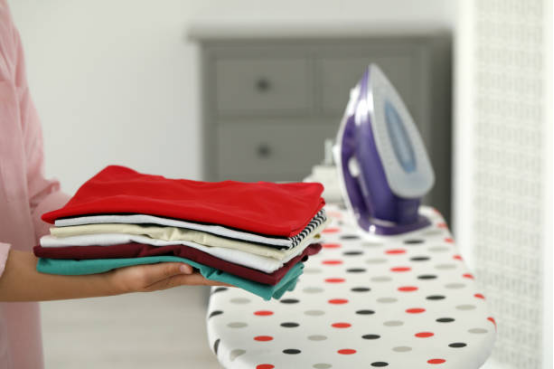
Ironing Board Surface and Fabric Selection Strategy
The matching of ironing board material and cover fabric directly affects the ironing quality. Common ironing board materials on the market include metal mesh, plastic filler, and wood press boards, each with different heat conduction and steam distribution characteristics.
- Metal mesh cover: Highly breathable, allowing steam to easily penetrate to the back of the garment, suitable for ironing heavy cotton or denim fabrics. Use with a thick cotton cover to enhance heat transfer and evenness.
- Wooden press plates: They conduct heat slowly but have a stable surface, making them suitable for high-end fabrics such as silk and wool. When used with soft overlays, they can reduce fiber stretching and luster loss.
- Plastic filler plate: Lightweight and easy to move, suitable for ironing light clothes on a daily basis, but not recommended for high temperatures or heavy fabrics; otherwise, the steam penetration will be insufficient.
When choosing an ironing board, you should consider the structure of your everyday clothing and the types of fabrics you commonly use to create a complete board material guide. This will make ironing smoother and reduce repeated damage to your clothes.
Ironing Techniques and Fabric Protection
Besides matching the ironing board and cover, proper ironing techniques are equally crucial to the lifespan of garments:
- Temperature and Steam Control: Adjust the iron temperature according to the fabric label. Natural fibers are more heat-resistant, while silk and synthetic fibers require low temperature and gentle pressure. The amount of steam should match the breathability of the iron surface to avoid damp or scorched fabric.
- Direction and pressure: Iron along the fiber texture to avoid lateral pulling; for fabrics that are prone to pilling or elastic, apply gentle pressure and cover the board with a cloth to cushion the impact.
- Sectional ironing: Heavy garments can be processed in layers. For example, shirt sleeves, collars, and trouser legs can be ironed separately to ensure even heat and pressure.
- Fabric spacing protection: For delicate or special fabrics, a thin layer of cotton fabric can be placed between the clothing and the ironing board to reduce the wear and tear on the fibers from direct contact.
By combining these techniques with scientific garment care tips, daily ironing is no longer just a mechanical operation but a key step in extending the lifespan of clothing.
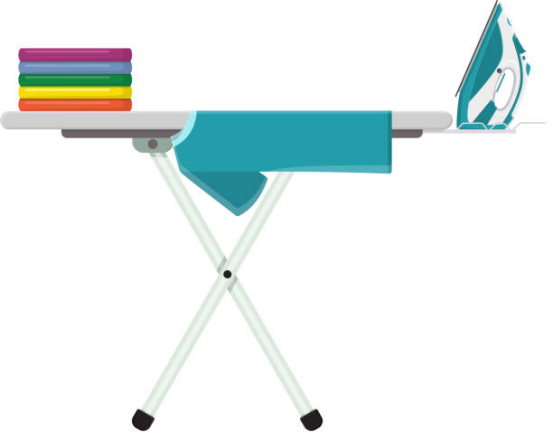
Systematic fabric ironing solutions
Establishing a fabric categorization ironing strategy can help improve efficiency and results:
- Heavy clothing (denim, thick cotton shirts): Metal mesh panel + thick cotton overlay, steam fully penetrates; first lay it flat over a large area, then carefully handle the wrinkles.
- Medium fiber (shirts, cotton, and linen skirts): medium thickness board surface + high density cotton fabric cover, moderate temperature, combined with local light pressure.
- Lightweight/high-end garments (silk, wool, functional fabrics): wooden press plate or soft board surface + elastic cover, low temperature and fast glide, avoiding stretching or loss of luster.
By systematically processing different fabrics, ironing efficiency can be improved, and repeated friction and wear on clothing can be reduced. Many professional laundry and care institutions and fashion designers recommend creating files for ironing programs and garment types for easy reference in daily home ironing, which reflects the professional value of fabric-specific ironing.
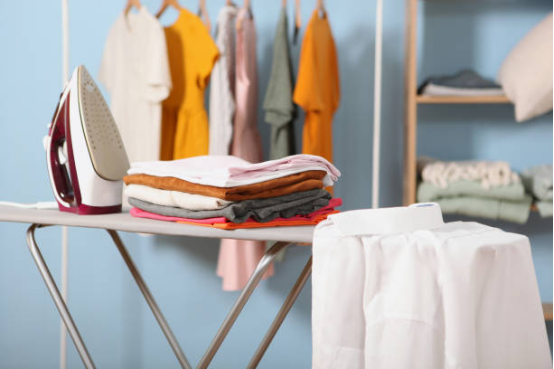
Home Decor
Modern home ironing has evolved from a simple operation to a scientific management process:
- Place the ironing board in a well-ventilated, well-lit space to avoid high humidity affecting the steam effect.
- Keep multiple fabric covers on hand and change them as needed to improve ironing precision.
- Record clothing materials and ironing experience, such as which fabric cover and temperature combination works best, to create a family-specific board material guide.
These small habits, combined with scientific ironing board selection and fabric matching strategies, make ironing not only efficient but also an important part of home care. Visit our website for more complete guidelines on fabric ironing and ironing board and cover matching to help you establish a professional and sustainable ironing process.
and efficientBy properly matching the ironing board surface and fabric type, and combining temperature control, steam distribution, and handling techniques, every ironing session can reduce damage to clothing fibers and extend their lifespan. Through a systematic approach to fabric-specific ironing and a scientific board material guide, everyday ironing at home is safe, efficient, and keeps garments in optimal condition.
Explore more tips and practical content, let Ironing boards are not just household tools but professional assistants for clothing care for every family member.