
,In modern home management, ironing is no longer just a simple task of “smoothing out wrinkles,” but a professional process that can improve efficiency and extend the lifespan of clothing. By scientifically categorizing clothing, arranging items in a logical sequence, and optimizing the choice of ironing board material, home ironers can significantly improve the efficiency of their ironing board , reduce repetitive operations, and ensure that every garment receives proper protection. This article will delve into clothing categorization strategies, ironing board matching principles, and specific operational methods for optimizing the ironing sequence, providing a systematic guide for home ironing.
Clothing classification and ironing priority
.The first step in optimizing the ironing sequence is to scientifically categorize the garments. Different fabrics have different requirements for temperature, steam permeability, and pressure, which directly affects the design of an efficient ironing sequence .
- .Heavy clothing such as jeans, thick cotton shirts, or winter coats is heat-resistant, but steam penetration takes longer. It is recommended to use a metal mesh or breathable ironing board at the beginning of the ironing sequence . This allows for full utilization of the board’s residual heat and prevents residual heat from affecting lighter clothing later.
- :Medium-weight garments : ordinary shirts, cotton and linen skirts, thin sweaters, etc. These garments have a moderate temperature and require less steam penetration, making them suitable for pressing after heavier garments. Use a medium-thickness fabric cover on the pressing board to ensure a smooth pressing surface while minimizing damage to the garment fibers from overheating.
- :Lightweight or high-end fabrics : silk, wool, and functional synthetic fibers. These garments are temperature-sensitive and should be ironed at the end of the ironing sequence. Use a soft overlay and iron quickly at a low temperature to avoid damaging the shine or scorching the fibers.
,This “from high temperature to low temperature” sequence is one of the core principles of ironing workflow tips , which maximizes board utilization efficiency while reducing frequent temperature adjustments.
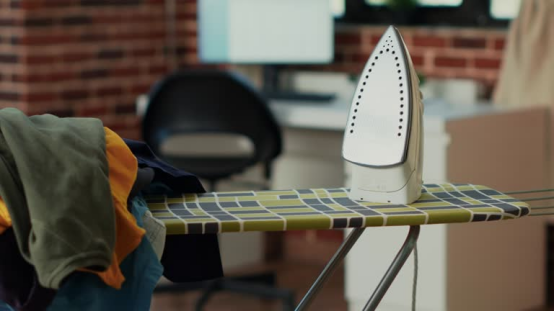
Matching strategy between ironing board surface and fabric cover
clothing butOptimizing the ironing order not only depends on the type of clothing, but also requires consideration of the combination of the ironing board material and the cover fabric:
- :Metal mesh panel : With strong steam penetration, it’s ideal for the initial treatment of heavy clothing. Thick jeans and heavy cotton shirts can be quickly smoothed out with ample steam and residual heat on the metal mesh panel, making full use of the steam and residual heat.
- :Wooden or plastic panels : Conduct heat evenly but transfer heat relatively slowly, suitable for medium-thickness garments. When paired with a medium-density overlay, they can achieve a smooth and gentle pressing effect, reducing fiber damage.
- :High-elasticity or cotton overlay : Suitable for lightweight or high-end fabrics, providing cushioning and even pressure, protecting the luster of clothing, and preventing lightweight clothing from being locally scorched or having abnormal luster due to excessively high board surface temperature.
.Scientifically selecting the board material and cover type is a key aspect of board use optimization . This method creates a gradient in the ironing process, from heavy to light, fully utilizing each heating and steam release, making home ironing efficient and sustainable.
Efficient ironing sequence techniques
:After mastering garment classification and pattern selection, proper operating techniques can further improve the efficiency and effectiveness of an efficient ironing sequence :
- :Top-down principle : For example, the ironing order for a shirt should be collar → sleeves → front → back. Address the details first, then work on the larger areas to avoid repeated adjustments.
- :Grouping similar fabrics together : Ironing clothes of the same material together, such as a batch of cotton shirts, can reduce temperature and steam adjustment time and improve efficiency.
- :Thick and thin alternation strategy : After ironing heavy clothes, use the residual heat of the ironing board to iron medium-thickness clothes, and finally iron light or high-end clothes to form a closed loop of temperature gradient.
- :Detail protection strategy : For high-end clothing or fabrics that are prone to shine, operate on an extra pad first to reduce direct contact with the board surface and protect the fibers.
process whileThese techniques, combined with the material of the ironing board and the classification of clothing, enable ironing to become a professional and systematic process, while reducing damage to clothing and unnecessary repetitive movements.
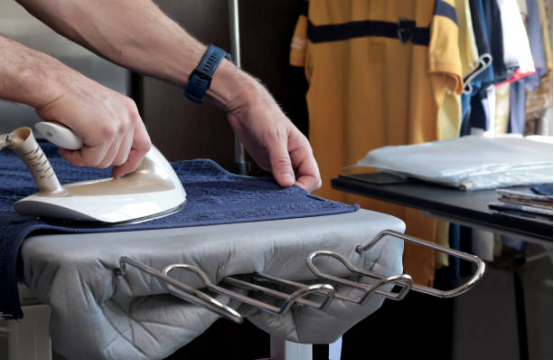
Systematic ironing sequence plan
To ensure efficient and consistent ironing at home, a standardized process can be established:
- :Phase 1 : For heavy clothing (denim, thick cotton shirts), use a metal mesh panel with a thick cotton overlay to allow steam to penetrate and smooth out wrinkles.
- (shirts andPhase Two: For medium-thickness garments (shirts, cotton and linen skirts), use medium-thickness board material + medium-density overlay fabric, maintain a moderate temperature, and smooth out wrinkles.
- :Phase 3 : For lightweight or high-end garments (silk, wool, functional fabrics), use a soft ironing board with an elastic overlay, and iron quickly at a low temperature to protect the fiber’s luster and texture.
Through this process, board use optimization can maximize the efficiency of each ironing session, reduce board adjustments and steam waste, and ensure that each garment receives the appropriate temperature and pressure treatment.
Real-life examples of clothing types and ironing order
Based on user feedback and industry experience, scientifically arranging the ironing order can significantly save time:
- ,In a home setting , a housewife reduced ironing time by about 30% by ironing jeans first, then cotton shirts, and finally silk garments, while also making the garments smoother.
- :Office users : Corporate employees can categorize their work shirts by material (cotton, blends, and wool) and use an efficient ironing sequence to keep their clothes looking brand new for five consecutive days without needing to iron them again, thus improving their wearing experience.
- :Professional laundry shops : Operators will process clothes in batches according to thickness and material. Thick clothes are first steamed and laid flat, while thin clothes are quickly pressed and ironed later, reducing the temperature switching time on the board and increasing the processing capacity per hour.
These cases demonstrate that a scientific ironing sequence not only improves efficiency but also reduces excessive friction and wear on clothing fibers, meeting the practical needs of both home and commercial ironing.
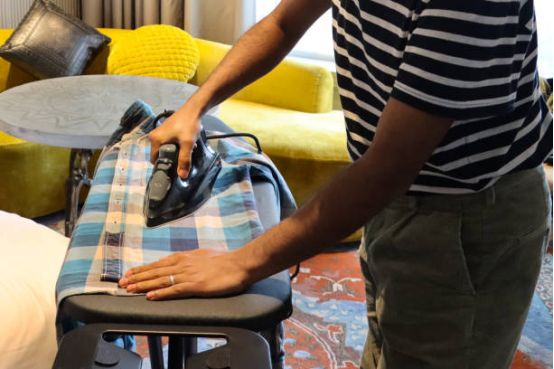
Home Strategy
a systematicModern home ironing emphasizes systematic approach and comfort:
- ironing boardSpace and light optimization: Place the Ironing Board in a well-ventilated and well-lit space to avoid high humidity affecting steam distribution and the drying speed of clothes.
- :Prepare multiple fabric pads : Change the fabric pad as needed according to the different materials of the clothes to improve the ironing accuracy and avoid damaging thin clothes by the heavy pad.
- Recording and Analysis: By recording the material of the clothes, the order of ironing, and the operating experience of each ironing session, a personalized ironing workflow tips file is created to provide a reference and optimization basis for future ironing.
- Temperature gradient utilization: After ironing heavy clothes, the residual heat is used to treat medium-weight clothes, forming a closed temperature loop and reducing energy waste.
Through these strategies, home ironers can improve the efficiency of daily housework while ensuring clothes are perfectly flat, making ironing a scientific and sustainable lifestyle.
Summarize
By scientifically categorizing clothes, optimizing the ironing sequence, using the ironing board and cover appropriately, and mastering operating techniques, optimal results can be achieved every time you iron. A systematic and efficient ironing sequence not only improves ironing efficiency and reduces repetitive operations but also maximizes the lifespan of garments.
By combining board use optimization and ironing workflow tips, home ironers can transform ironing into an efficient, professional, and sustainable lifestyle. Whether it’s heavy jeans, light silk, or medium-weight shirts, guided by a scientific sequence, ironing can be completed quickly, leaving clothes smooth and like new, while saving time and effort.
Learn more about Ironing Board to help you achieve the perfect balance between professional ironing and garment care at home.