
An ironing board is an indispensable household tool, and the wear and tear on its cover is inevitable. While the cover itself is durable, its wear rate is affected by various factors. Failure to replace the ironing cover in a timely manner can affect ironing results and prevent garments from achieving the desired smoothness. This article will help you understand how to identify signs of wear on your ironing board cover and when to replace it, ensuring long-term efficient use.
Why Is Ironing Board Cover Maintenance So Important?
is more than just a simple covering. It plays a crucial role in maintaining the smoothness and evenness of the ironing board surface. The quality of the ironing board cover directly affects the ironing results and even the smoothness of the garments. If the cover is worn, wrinkled, or has burn marks, these problems will reduce ironing efficiency, preventing the garments from achieving the desired effect. Regularly checking and replacing the cover is an essential step to ensure optimal ironing results.
In addition, the steam generated during ironing can affect the ironing cover; dampness and water accumulation can lead to mold growth, thus affecting the cover’s lifespan. Therefore, proper cover maintenance can effectively prevent these problems and extend the lifespan of the ironing board.
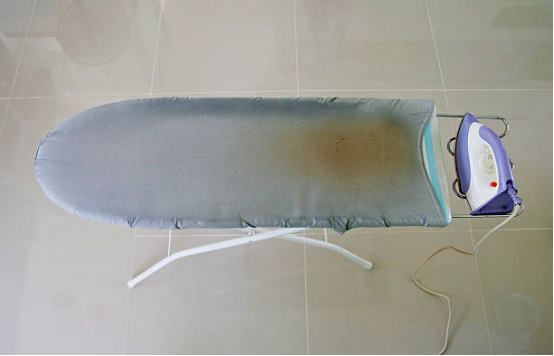
How to Identify Signs of Wear and Tear on Your Ironing Board Cover?
To decide when to replace your ironing board cover, you first need to learn to recognize signs of wear and tear. Here are some common signs of wear to help you determine when it’s time to replace the cover.
1. Visible Wear and Tear
The fabric of an ironing board cover will gradually wear down with use, and the most obvious signs are tears or holes. If the cover is already severely worn or damaged, continued use will affect the ironing effect and may even damage the surface of the ironing board.
2. Uneven Ironing Surface
Over time, ironing board covers may loosen due to frequent use, resulting in an uneven surface. This unevenness directly affects ironing results, as garments cannot remain smooth during ironing and wrinkles cannot be removed. Therefore, if you notice that the surface of the ironing board cover is no longer smooth and even, it may be a sign that the cover needs to be replaced.
3. Stubborn Stains or Burn Marks
The high temperatures during ironing can easily leave burn marks or stubborn stains on the ironing cover, which are often difficult to remove. If you have stains or burn marks on your ironing cover that cannot be washed out, it may mean that it can no longer provide an even ironing effect and needs to be replaced.
4. Mold or Odors
In humid environments, fabric covers easily absorb moisture, and under the influence of steam, they may begin to mold or emit an odor. If you notice an odor or obvious mold spots on the fabric cover, this may be a sign that it is no longer effective. To prevent the spread of mold and impaired ironing performance, it is necessary to replace the fabric cover promptly.
5. Loss of Elasticity
A high-quality ironing board cover should fit snugly around the ironing board. If the cover loses its elasticity and cannot stay in place, it may shift or slide during use. This is not only inconvenient but may also affect ironing results. If the cover does not fit securely against the ironing board, it is best to replace it as soon as possible.
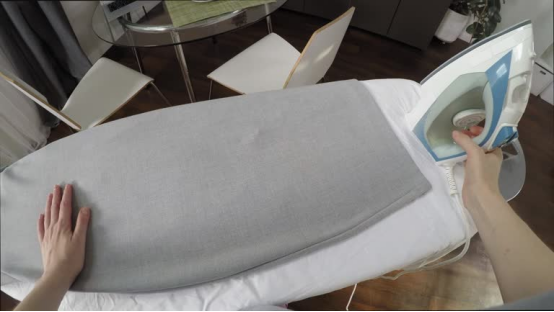
When Should You Replace Your Ironing Board Cover?
Although different usage environments and individual needs vary, based on general usage experience, the replacement cycle for ironing board covers usually falls within the following range:
1. Frequent Use (1-2 years)
If you use your ironing board daily or frequently, you’ll need to replace the cover every 1 to 2 years. Frequent use will accelerate wear and tear on the cover, preventing it from providing a smooth surface effectively and affecting ironing results. If you iron clothes frequently, it’s recommended to check the condition of the cover annually and replace it as needed.
2. Occasional Use (3-5 years)
For households that use their ironing board only occasionally, the cover may last longer. If used a few times a month, the cover could last 3 to 5 years, but it still needs to be checked regularly to ensure it’s not damaged. If you don’t use your ironing board frequently, you may only need to check the cover every 3 years.
3. Environmental Factors
If you live in a humid environment, the fabric cover may wear out faster. The buildup of moisture and steam can cause the cover to mold, wrinkle, or age. In this case, you may need to replace the cover more frequently, especially in high-humidity areas. Ensure the cover is completely dry after use, and check it regularly to prevent moisture damage.
How to Extend the Life of Your Ironing Board Cover
Replacing the ironing board cover is a necessary maintenance task, but there are some steps you can take to extend its lifespan:
1. Regular Cleaning
Regularly cleaning your ironing board cover is key to maintaining its optimal performance. Most covers can be cleaned by wiping with a damp cloth or machine washing. Make sure the cover is completely dry after washing; this helps prevent mold growth and maintains the cover’s elasticity.
2. Proper Storage
After use, store the ironing board and cover in a dry place, avoiding exposure to moisture. Try to avoid placing the ironing board near windows or damp areas, as this will prevent the cover from absorbing too much moisture and extend its lifespan.
3. Use ironing board pads
In addition to the fabric cover, you can use a high-quality ironing mat for extra protection. The mat not only helps improve ironing results but also reduces wear and tear on the fabric cover, extending its lifespan. The mat absorbs heat and disperses steam, protecting the fabric cover from damage.
4. Iron at Moderate Temperatures
Using excessively high temperatures for ironing will accelerate the wear and tear on the fabric cover. To extend the life of the cover, it is recommended to use a moderate temperature for ironing, avoiding overheating. A proper ironing temperature not only protects the cover but also prevents damage to clothing during ironing.
How to Replace Your Ironing Board Cover
Swapping in a fresh cover is a quick operational refresh that doesn’t require any heavy lifting. Start by removing the old layer—most models use elastic edging or adjustable straps, so take it off gently to avoid unnecessary stretching.
Before you set up the new surface, give the board a quick wipe-down. Clearing away dust and leftover residue ensures you aren’t sealing contaminants underneath the fabric. A damp cloth works well; just make sure everything is fully dry before moving forward.
Next, position the replacement cover so that it lines up neatly with the board’s contours. Once positioned, secure it using the built-in elastic or fastening bands. If the fit feels off—too slack or overly tight—fine-tune the tension until everything sits properly.
When everything is in place, do a final scan to confirm the surface is smooth, firm, and ready for action. Any wrinkles or loose spots will undermine performance, so this quick check is worth the extra seconds.
Conclusion
Maintaining your ironing board cover is key to ensuring efficient ironing. Change the cover promptly to ensure optimal ironing results every time you use it. If your cover shows signs of wear, wrinkles, or other problems, don’t hesitate to replace it. Regular maintenance and care not only extend the life of your cover but also enhance your ironing experience.
Learn more about ironing board care methods, or need more related content, and get more useful information and advice.