
.The morning sun filters through the curtains, illuminating a neatly arranged ironing board where a wrinkled shirt awaits its final rest. For many, ironing a shirt can seem like the most tedious part of daily household chores. However, mastering the correct technique not only keeps clothes crisp but also saves time and extends their lifespan. This article will provide a multi-faceted analysis of how to iron a shirt efficiently and professionally on an ironing board .
Preparation before ironing and temperature setting
Shirts come in a variety of materials, including cotton, blended fabrics, or silk, each with different heat resistance levels. Before ironing, you should:
- Check clothing labels carefully to determine the maximum safe temperature;
- temperatures.Adjust the iron temperature to the appropriate setting. Cotton can be slightly higher, while silk or blended fabrics require lower temperature.
- Use thin cloth to protect sensitive areas such as buttons and embroidery.
discoloring whileUser benefit orientation: Correct temperature control prevents fabrics from burning or discoloring, while maintaining the original shape and luster of clothing.
Modern ironing boards are often equipped with steam trays and adjustable height racks, which can help clothes spread out more flatly and improve ironing efficiency, especially suitable for wrinkle-prone clothing such as shirts.
Shirt Laying and Supporting Techniques
Laying the shirt flat on the ironing board is a key step. Operational suggestions include:
- Start ironing from the collar first, flattening it without folding it;
- deformation.The shoulders can be supported by plate shoulders or clamps to avoid stretching and deformation;
- The sleeves, like the trouser legs, need to be rolled up or supported with a small cloth to ensure they are flat.
User benefit orientation: reasonable placement and support reduce stress points on the fabric, making the shirts more crisp and natural after ironing.
temperature whileSurveys show that correct ironing can more effectively remove wrinkles than simply increasing the temperature, while reducing the risk of clothing damage.
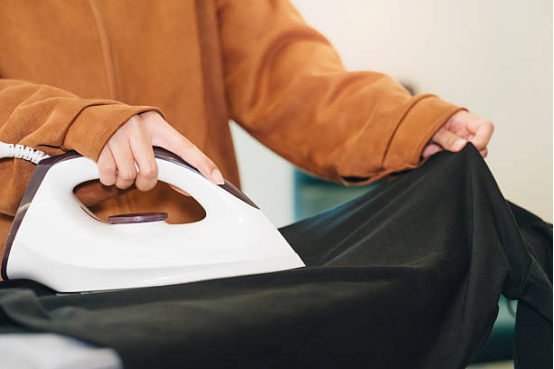
Partition ironing strategy
A shirt has different areas such as the collar, shoulders, cuffs, front, and back. The thickness of the material in each area varies, so the treatment method needs to be flexible:
- gently.Iron the collar, shoulders and cuffs first; these areas are prone to wrinkles and need to be treated gently;
- creases.The front and back pieces can be processed separately, starting with the center and then the sides, to avoid creating new creases;
- Cover the buttons with a thin cloth and lightly iron them.
Ironing in zones avoids overheating in certain areas, maintains overall flatness, and keeps your shirt looking like new.
methods whileSome professional clothing management teams pointed out that ironing in the order of zones can save about 20% of ironing time compared with traditional methods, while reducing repetitive operations.
Using Assistive Tools with Steam Tips
Modern ironing boards offer a variety of auxiliary features to enhance the ironing experience:
- smoothness.A removable and washable cloth cover prevents clothes from sticking and increases smoothness;
- Small sleeve clips, shoulder boards, or hanger supports to help iron difficult areas;
- Steam spray or built-in steam function, suitable for thick cotton or multi-layered shirts.
Use auxiliary tools and steam techniques to quickly eliminate stubborn wrinkles while protecting clothing fibers.
Practical experience shows that steam combined with zoned operation produces more uniform ironing results than simple dry ironing, and the overall touch of the shirt is softer.
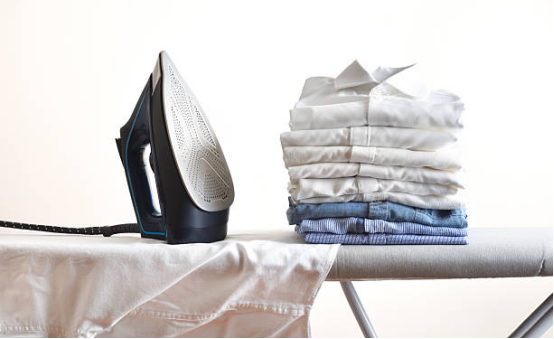
Maintenance and storage after ironing
After ironing, it is equally important to take care of your shirt:
- Hang clothes on ventilated hangers to avoid secondary wrinkles;
- the ironing board and cloth cover regularly to keep them smooth;
- Avoid leaving ironed shirts stacked for long periods of time, especially if they are made of cotton or silk.
wear,User benefit orientation: Proper storage can extend the life of the shirt, keep it comfortable to wear and keep it crisp in appearance.
Brand research shows that combining the rational use of ironing boards with clothing storage strategies can significantly extend the life cycle of high-end shirts and reduce daily maintenance costs.
Summary and Recommendations for Action
Ironing a shirt isn’t just a chore; it’s a reflection of meticulous care and attention to detail. When operating an ironing board, every step is crucial, from temperature control and laying out the clothes to ironing in zones andusing auxiliary tools. Master these techniques and you’ll gain:
- The shirt is straight and crisp, making you feel more confident when wearing it.
- Save ironing time and improve housework efficiency;
- Extend the life of your clothes and reduce your long-term expenses.
A final reminder: Next time you’re faced with a wrinkled shirt, stop and treat it in order, in sections, and gently. Let the ironing board be your right-hand man for daily clothing care, ensuring every shirt looks professional and refined.