
Household chores are often directly influenced by the ease of use of tools. As the core platform for daily ironing, the design and ease of use of the ironing board largely determine whether users can form a stable and long-term ironing habit. Even experienced housewives or working professionals may give up regular ironing due to the hindrance of the ironing board, viewing it as a burden rather than a daily routine.
This article will analyze how the ease of use of an ironing board affects ironing behavior from the perspective of ironing habit formation, reveal the psychological and physical mechanisms behind the formation of long-term habits, and provide in-depth analysis based on real user feedback.
Ease of use determines the first experience: the importance of first impressions
The first experience of ironing clothes often determines a user’s overall impression of the ironing board. If the board is difficult to adjust, folds unevenly, or is unstable, the user will feel psychologically burdened in a short period of time, thus reducing their willingness to use it again.
Studies show that forming household chores usually requires at least three to four positive experiences. If each ironing session is accompanied by friction, adjustment, and discomfort, it is difficult for users to internalize ironing as a habit.
An easy ironing board can significantly lower the psychological barrier for first-time users:
- Smooth height adjustment and easy locking
- The board surface is stable, and there is no obvious shaking.
- The folding and unfolding actions are intuitive and effortless.
This smooth user experience will help users develop the perception that “ironing is not troublesome,” laying the foundation for habit formation.
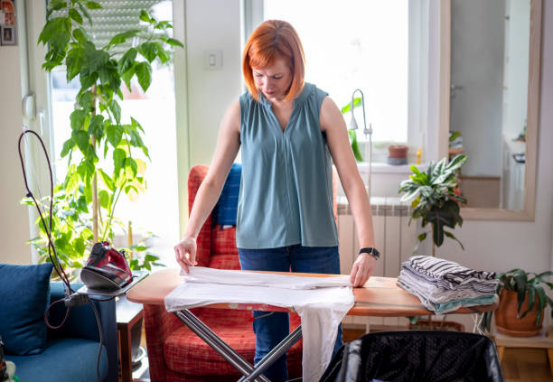
The direct impact of physical comfort on ironing frequency
During ironing, body posture, arm load, and leg support all affect ironing comfort. Ironing comfort is a key indicator for developing a long-term ironing habit.
- An unsuitable ironing board height can cause neck and shoulder fatigue, reducing the willingness to iron continuously.
- Insufficient width or an unreasonable shape of the board will increase the time spent sorting and moving clothes.
- Unstable support or slight wobbling will force the user to exert extra force to stabilize the iron.
By optimizing these physical experiences, the easy ironing board makes ironing more natural, thereby increasing the frequency of ironing and making it easier for users to integrate ironing into their daily lives.
Common expressions found in real user feedback are
“When the board is sturdy and easy to use, ironing becomes a relaxed daily activity rather than a burden.”
This feeling directly affects the formation of ironing habits, because comfort reduces psychological resistance and increases the rate of behavioral repetition.
Layout and accessibility influence behavior formation
Besides physical comfort, the placement and storage convenience of the ironing board also affect ironing behavior. Psychological research shows that the visibility and accessibility of tools directly increase the repetition rate of the behavior.
- If the board is folded and stored in a narrow corner for a long time, requiring the removal of obstacles to access, users may tend to skip ironing.
- If the ironing board can be easily unfolded and stored conveniently, users can more easily complete ironing when they have a few spare moments.
In other words, ease of use is not just about smooth operation but also about optimizing the usage path. This design thinking helps users transform ironing from an “extra task” into an “occasional action that can be done anytime,” significantly increasing the probability of habit formation.
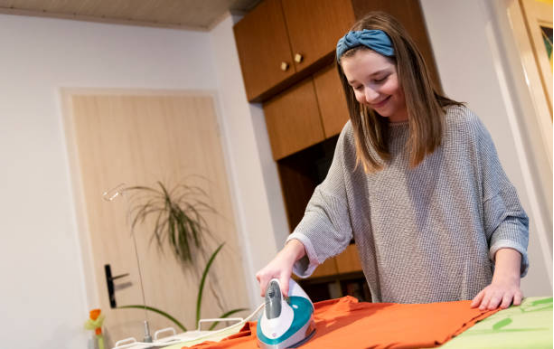
Psychological feedback and behavioral reinforcement
The formation of long-term habits depends on positive psychological feedback. Using an easy ironing board can provide this positive feedback in several ways:
- Easy to operate and gives a sense of control
- A stable board surface reduces anxiety
- The ironing process is natural and smooth, reducing the accumulation of negative emotions.
These factors combined create a positive expectation in users regarding ironing, forming a cyclical reinforcement mechanism. Each successful ironing session increases motivation for future use, ultimately establishing a stable ironing habit.
The potential impact of materials and durability on long-term habits
Besides immediate experience, the quality of the board material and the durability of the connectors also affect habit formation. Over long-term use, if the board becomes loose, deformed, or experiences increased operational resistance, users will develop a negative perception, disrupting the continuity of habit formation.
Therefore, an easy-to-use ironing board not only needs to be smooth in the short term but also needs to ensure long-term stability so that users can maintain their original comfort and efficiency for months or even years.
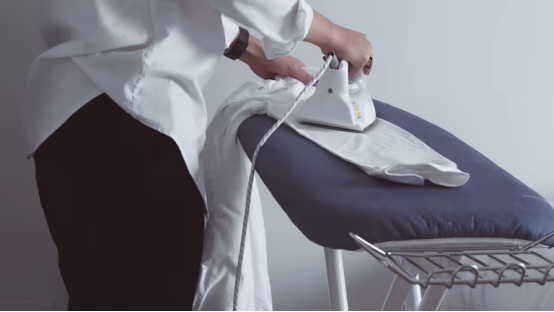
The cumulative effect of behavioral habits
When users have a positive experience in terms of physical, psychological, and operational pathways, the ironing behavior gradually transforms from “doing housework” into “spontaneous behavior.” At this point, the formation of the ironing habit no longer depends on external reminders but becomes a natural part of daily life.
Studies show a positive correlation between tool usability and habit formation. For ironing, an activity that requires a certain level of skill and patience, an easy ironing board is an important trigger for habit formation.
FAQ (Frequently Asked Questions)
Q1: Why is an easy-to-use ironing board crucial for habit formation?
Because ease of use reduces psychological barriers and physical strain, making the ironing process easier to repeat and internalize.
Q2: Does the placement of the board really affect habits?
Yes. A visible, accessible, and easily unfoldable board can significantly increase usage frequency, thereby promoting habit formation.
Q3: Does ironing habit have a big impact on iron performance?
Irons are important, but the ease of use of the iron directly determines whether users are willing to use the iron frequently.
Q4: Will the stability of the board affect psychological expectations during long-term use?
Yes. Decreased stability will disrupt the positive experience and reduce the sustainability of habit formation.
Summary and Extension
An ironing board not only affects the comfort of ironing a single session but is also a core factor in forming a long-term ironing habit. A smooth, stable, comfortable, and easy-to-store design can transform ironing from a “burden” into a “daily routine.”
Once this is understood, both users and designers can better grasp the key to habit formation: habits are not formed solely by willpower but rely on the dual support of physical tools and psychological feedback.