How to improve the comfort of the Ironing Board through ergonomic design

Ironing clothes, though seemingly simple, is a highly repetitive household chore that requires prolonged standing. Many people experience fatigue and even back, shoulder, or wrist pain when using an ironing board for extended periods. Therefore, improving ironing board comfort through ergonomic design has become a pressing issue. In this article, we will explore the application of ergonomics in ironing board design and share several methods to effectively reduce user fatigue.
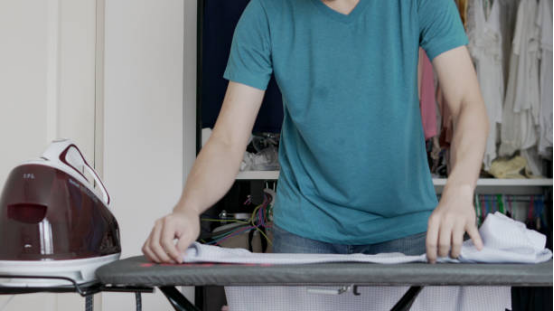
Ergonomics and comfort: Why are they so important?
Ergonomics is the study of the interaction between humans and tools/equipment, aiming to improve user comfort and reduce the risk of injury through rational design. In household goods, the ironing board, as a device used for extended periods, directly impacts user comfort and health depending on whether its design conforms to ergonomic principles.
Prolonged standing, looking down while working, or even repetitive movements can all lead to physical discomfort. For example, maintaining incorrect posture can increase the burden on the spine and cause tension in the back and neck muscles. By optimizing the height, tilt angle, and support system of the ironing board through ergonomic design, it can not only effectively reduce the burden on the body but also improve ironing efficiency and avoid fatigue after prolonged use.
Height adjustment: Avoid prolonged bending over
One of the most significant features of an ergonomic ironing board is its height adjustment. Everyone’s height is different, and the ideal ironing height varies accordingly. If the ironing board is fixed at a position that is too low or too high, the user will need to bend over or stand for extended periods, which will increase the burden on the spine and legs.
The benefits of the appropriate height for the human body:
- : Avoid back pain caused by bending over: Maintaining a natural upright posture helps reduce pressure on the back and spine.
- :Reduce neck fatigue: The appropriate height allows the user’s line of sight to be parallel to the ironing board, reducing neck discomfort caused by looking down for too long.
An ideal ironing board should be height-adjustable, allowing users to adjust it to their height and comfort needs, ensuring a natural standing posture during operation. Most modern designs offer simple adjustment mechanisms, allowing users to easily find the optimal working position.
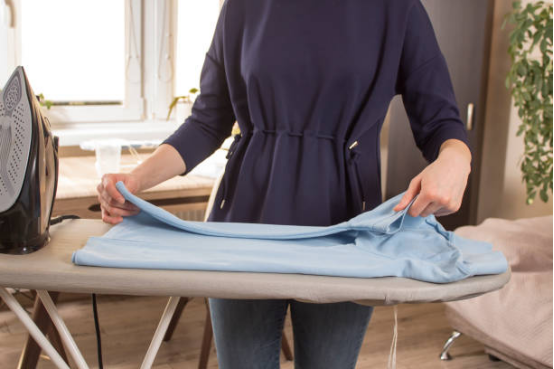
Angle adjustment: Making work smoother
Besides height adjustment, angle adjustment is also an important design feature for improving comfort. Adjusting the tilt angle of the ironing board according to different ironing needs and user habits can reduce arm and shoulder fatigue.
The impact of tilt angle on comfort:
- :Reduce arm pressure: When ironing requires a lot of force, the properly designed angle allows the arm to be in a more natural operating position, avoiding discomfort caused by overstretching or bending.
- ::Enhanced efficiency : By adjusting the angle appropriately, it is easier to iron various parts of clothing and reduce repetitive actions.
A well-designed angle allows users to maintain a more comfortable posture while operating the iron, reducing strain on the wrists and shoulders. An ideal design should allow users to easily adjust it as needed, making the ironing process easier and improving work efficiency.
Stability and Support: Enhancing the User Experience
For prolonged use of an ironing board, stability and support are crucial factors. If the ironing board is not sturdy enough, it may wobble during use, affecting ironing results and potentially causing user discomfort. Another key aspect of ergonomic design is optimizing the support system to ensure the ironing board remains stable throughout use.
Stability design advantages:
- :Reduced wobbling and instability: A more robust support structure effectively prevents the ironing board from shaking during ironing, improving operational stability.
- Enhanced safety: Stability not only improves the smoothness of operation but also reduces the risk of accidents caused by equipment instability.
Ergonomic design emphasizes user needs, ensuring optimal stability and safety every time the ironing board is used. Some high-end ironing board products are equipped with a stronger support system that can effectively withstand the pressure of gravity, ensuring that the ironing process is not affected.
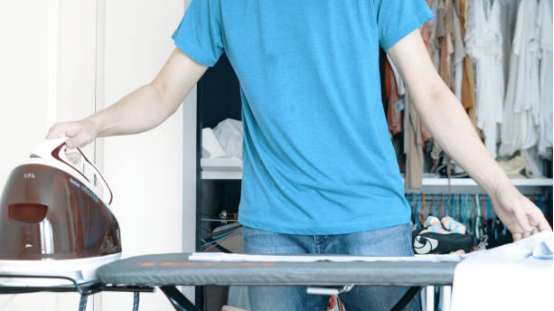
Additional design features to alleviate fatigue: comfortable handle and surface material
When ironing, many people use the handle of the ironing board to help adjust the board or move the equipment. Therefore, the design of the handle is also an important aspect of ergonomics. An ergonomic handle should conform to the natural curve of the palm, providing a comfortable grip and preventing wrist fatigue caused by prolonged forceful gripping.
In addition, the material of the ironing board surface also affects the user’s comfort. High-quality surface materials can effectively disperse heat, preventing excessive heat from concentrating on the board surface, which would affect ironing results and user comfort.
Benefits of a comfortable grip and surface material:
- Reduce hand fatigue: The ergonomic handle design reduces pressure during prolonged holding, making operation easier.
- Enhanced user experience: High-quality surface materials can improve ironing efficiency and reduce discomfort caused by prolonged use.
Ergonomic design makes ironing easy
Through reasonable height adjustment, angle adjustment, support system, and handle design, ergonomics significantly improves the comfort of the ironing board. This design not only reduces physical strain from prolonged use but also enhances user efficiency and comfort. Whether for everyday home use or in the workplace where frequent ironing is required, the ergonomically designed ironing board provides users with a healthier and more comfortable experience.
ironing board that reduces fatigue and enhances comfort, consider models with an ergonomic design. A well-designed board can not only improve ironing efficiency but also provide greater comfort during everyday chores, eliminating fatigue and discomfort.