
Have you ever encountered this situation: waking up to clothes from the closet with stubborn creases, while lightweight fabrics drape unpredictably, making it feel difficult to hold onto them during ironing? Traditional ironing boards often struggle to address these issues, but with improvements in design and materials, modern ironing boards not only provide stable support but also allow for more precise control of the fabric’s flatness and drape. This article will comprehensively analyze how to address crease and drape issues on different fabrics using an ironing board, emphasizing fabric characteristics, operating techniques, tool assistance, and market trends.
Understanding Fabric Properties: The Science of Creases and Drape
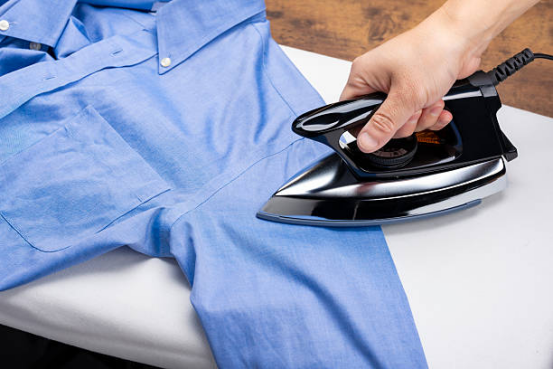
The ease with which different fabrics crease and drape are closely related. For example, cotton and linen easily form sharp creases but have difficulty maintaining drape. Lightweight fabrics like silk and chiffon, on the other hand, crease easily but disappear and drape beautifully but are prone to stretching or wrinkling during ironing. Understanding fabric characteristics is the first step to effectively processing clothing on an ironing board.
Professional ironing tips: For stiff fabrics like cotton and linen, first slightly dampen the fibers with steam to soften creases, then iron along the fabric’s grain. For silk or other lightweight fabrics, use a low-temperature iron and a protective sheet to prevent high temperatures from damaging the fiber structure and maintain a natural drape. The stable support and breathable surface of the ironing board are particularly important. This ensures even support for the garment and prevents new wrinkles from weight or inaccurate handling.
Operation strategy: balance between crease elimination and drape shaping
In practice, mastering the ironing sequence and pressure is crucial. For areas with creases, start ironing from the inside or inconspicuous areas of the garment, gradually working your way to the exterior. For areas that require a natural drape, such as hems or trouser legs, it’s recommended to lay the garment flat on an ironing board, gently straighten it, and then use steam to help shape it.
Using a clamp or hanging garments can also help improve draping. For example, when ironing a skirt, gently secure the hem to the end of an ironing board, allowing gravity and steam to create a natural fall. For smaller areas like cuffs and collars, use a dedicated iron tip or hang ironing to avoid deepening creases due to localized pressure.
Tool Assistance: Design Advantages of Modern Ironing Boards
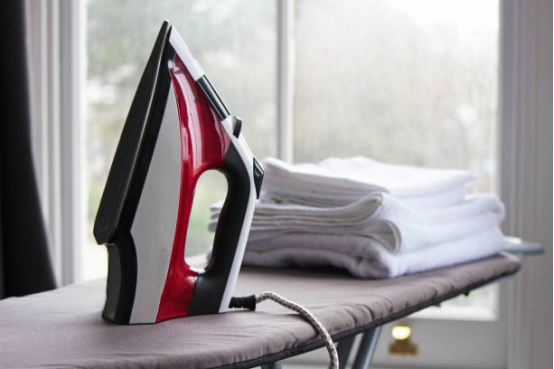
In recent years, ironing board designs have improved user convenience in eliminating creases and maintaining drape. Multi-level height adjustment and a rotating board allow users to flexibly adjust the ironing board to suit garment length and ironing angle. Furthermore, the breathable board and optimized steam channels enhance steam penetration, making it easier to eliminate creases while maintaining a natural drape.
Some high-end models also feature a removable, washable ironing cover and secure clamps, making it easier to handle lightweight fabrics or garments with specialized cuts. For example, a long chiffon skirt can be ironed with the extended support of the ironing board, minimizing wrinkles. A thick cotton shirt, when ironed on a breathable ironing board, utilizes steam vents to evenly distribute heat and minimize wrinkles. Choosing the right ironing board itself is crucial to achieving optimal ironing results.
System maintenance and skill improvement
Maintaining the performance of the ironing board is equally crucial. Clean the board and steam path regularly to prevent residual water stains or fiber debris that may affect ironing results. Also, check the brackets and mountings to ensure the board is stable and free of movement. User experience indicates that even the slightest tilt or instability on the board can cause new creases on lightweight garments and even affect the overall drape.
In addition, combining iron temperature control with steam usage techniques can further enhance the effect. For example, first use low-temperature steam to soften the fibers, then use medium-temperature ironing for smoother results. When ironing a skirt with a strong drape, use short back-and-forth strokes to avoid pulling the garment and ensure a natural fall.
Trend Insight: Combination of Intelligence and Home Aesthetics
The development of modern ironing boards goes beyond functionality to emphasize home integration and intelligent design. Designs with hidden storage, retractable boards, and intelligent integration with steam irons make ironing more convenient and efficient, while also providing more precise crease and drape control. The use of environmentally friendly materials and breathable board designs not only enhances the user experience but also aligns with sustainable living concepts.
Future market trends indicate that consumer demand for ironing boards is shifting from simple support tools to comprehensive solutions that balance functionality, efficiency, and home aesthetics. For those who prioritize the texture and appearance of their clothes, a well-designed and user-friendly ironing board can make the difference between successful ironing and unsuccessful ironing.
Summarize
The key to achieving both creases and drape on an ironing board lies in understanding the fabric’s characteristics, mastering the technique, selecting the right tools, and maintaining a systematic approach. Modern ironing boards can optimize the soft drape of lightweight fabrics and the smooth creases of heavier fabrics. By combining scientific methods with intelligent design, ironing is more than just removing creases; it’s a refined craft that enhances the texture of clothing and reflects the quality of your home.